
Conference
Who Should Attend
Designed for Mainstream & Special Education (SPED) Educators and Professionals, Special Educational Needs Officers (SENOs), Allied Educators, and School Leaders
Translating evidence-informed strategies into practical applications across school and vocational training settings
Why these FIVE themes matter
The heart of this conference lies in five interconnected themes—Mental Health and Emotional Well-being, Caregiving and Family Support, Innovative Teaching and Learning Strategies, Inclusive Employment, and Enabling Technology.
These areas resonate deeply across the special needs community because they address the full spectrum of life transitions—from classroom to workplace, from family care to independent living.
Each theme is designed to deliver practical skills, evidence-based insights, and real-life experiences that participants can immediately apply to improve teaching, training, and caregiving practices.
By engaging with these topics, you’ll gain knowledge that empowers you to create inclusive environments and make a lasting impact.
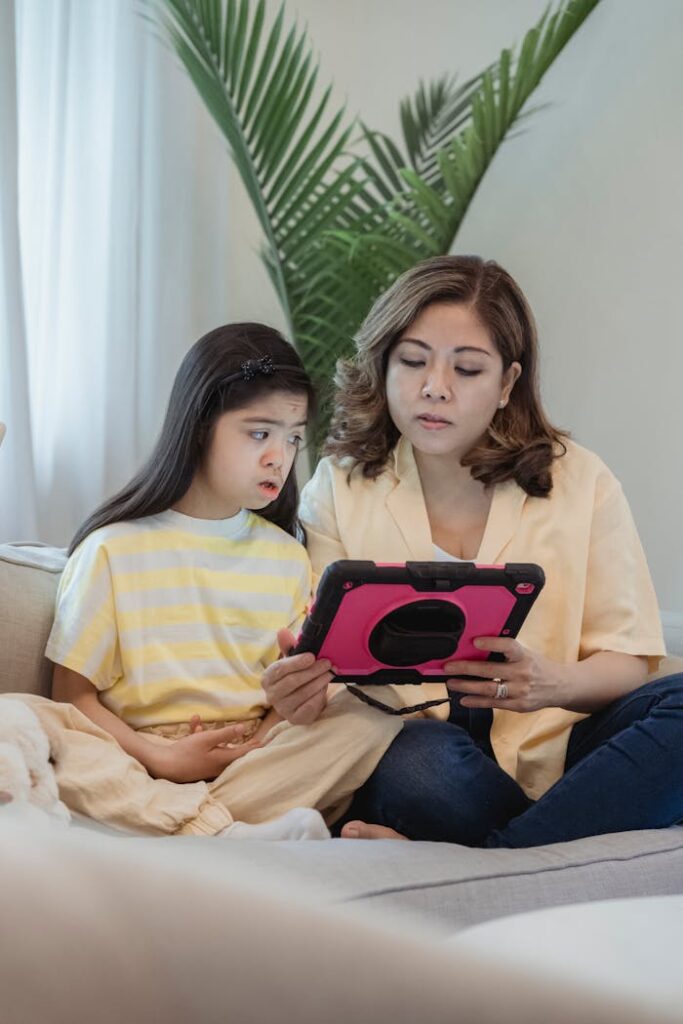
Innovative Teaching and Learning Strategies
Why It Matters: Whether in mainstream classrooms or SPED settings, supporting diverse learning needs requires scalable, evidence-based practices. This track focuses on practical strategies that fit seamlessly into daily lesson delivery and Individualised Education Plan (IEP) implementation.
Key Takeaways:
Proactive Behaviour Management: Classroom-ready PBIS strategies to teach expectations, manage disruptions, and build student self-regulation.
Differentiated Core Instruction: Proven techniques to adapt literacy and numeracy for diverse learning profiles (e.g. students with Mild Intellectual Disabilities (MID) and ASD) without diluting learning outcomes.
Sensory & Physical Environment Tuning: Low-cost, high-impact physical and sensory modifications to help neurodivergent learners maintain focus in classroom settings.

Inclusive Employment
Why It Matters: The ultimate goal of inclusive education is preparing students with special educational needs for independent living and meaningful participation in post-secondary education or the workforce.
Key Takeaways:
Transition Planning Frameworks: Practical guidance on working with parents and students to navigate post-school pathways.
Work-Readiness in School: Strategies to embed essential soft skills, such as self-advocacy, punctuality, and workplace communication, into daily school routines.
Collaborative Models: Blueprints for connecting schools, job coaches, and inclusive employers to support long-term job retention and career growth.

Enabling Technology
Why It Matters: Technology can remove learning barriers when implemented purposefully. This track provides educators with practical ways to leverage accessible technology, from assistive devices and communication tools to digital platforms that support learning, mobility, and daily living.
Key Takeaways:
Classroom Assistive Tech Integration: Hands-on integration of built-in accessibility features directly on student personal learning devices.
AI & Digital Adaptation: Responsible use of digital tools and Generative AI to streamline resource preparation, visual schedules, and differentiated worksheets.
Communication & Regulation Tools: Accessible digital platforms that support non-verbal communication, daily routines, and student self-monitoring.

Mental Health and Emotional Well-being
Why It Matters: Grounded in expert insights, lived experiences, and community-based support models, this track equips educators and caregivers with strategies and proactive tools to promote emotional regulation and literacy, and support overall mental well-being for neurodiverse learners.
Key Takeaways:
Classroom De-escalation Toolkits: Techniques to handle acute emotional dysregulation safely and restore calm in learning environments.
Adapted Social-Emotional Learning (SEL): Tailoring standard SEL lessons so neurodivergent students can meaningfully access emotional regulation tools.
Educator Self-Care & Resilience: Practices for frontline teachers, SENOs, and school staff to prevent burnout.

Caregiving and Family Support
Why It Matters: Teachers and SENOs serve as the vital bridge between parents and schools. Aligning home interventions with school support plans is essential for maintaining student stability and preventing developmental regression. Beyond classroom learning, a strong partnership empowers families to nurture their children while building sustainable caregiving routines.
Key Takeaways:
High-Empathy Parent Engagement: Communication frameworks for conducting challenging conversations, managing expectations, and setting joint goals.
Cross-Environment Consistency: Co-designing daily home routines that mirror school-based IEP goals to ensure continuous student growth.
Community Resource Navigation: Equipping families with social service networks, resources, and respite care options beyond the school gate.
Call for Papers & Presenters
We invite researchers, educators, allied health professionals, and practitioners—both local and overseas—to share your expertise at the 2027 Empowering Lives Conference.
This is your opportunity to present applied research that is practical, innovative, and transformative, aimed at improving the lives and learning experiences of individuals with special needs. We are looking for papers and presentations that offer real-world solutions, evidence-based strategies, and fresh perspectives across education, employment, mental health, caregiving, and technology.
Join us in shaping meaningful conversations and driving progress in the special needs community. Your insights can inspire change and empower stakeholders to create inclusive environments where everyone thrives.
Please contact Organisers directly if you are keen to present.
Thank you.